> For the complete documentation index, see [llms.txt](https://wiki.polymaker.com/llms.txt). Markdown versions of documentation pages are available by appending `.md` to page URLs; this page is available as [Markdown](https://wiki.polymaker.com/polymaker-wiki/polymaker-wiki-zh/polymaker-chan-pin/about-polymaker/polymakers-technologies.md).
# Polymaker 的技术
### **Jam-Free™(防堵头技术)技术:**
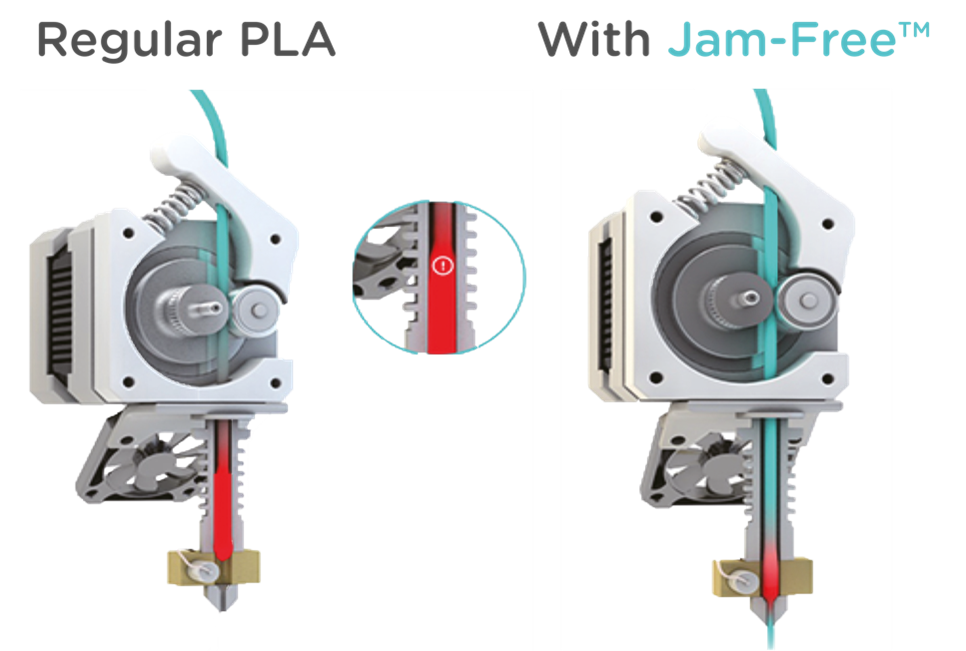
为了理解这项技术,让我们先了解干扰问题的主要根本原因:
打印头分为两个主要部分:热端和冷端。热端是加热块加热并熔化耗材的地方,冷端则会防止热端的热量散失并损坏其他部件,或在不该软化/熔化之前使耗材变软/熔化。
不过,在长时间打印、双挤出打印,或者仅仅是散热器设计不佳的打印过程中,热量会向上蔓延到冷端并使耗材软化,从而导致耗材膨胀。这可能会造成堵塞,或者导致挤出机把耗材咬坏。
PLA 最有可能出现这个问题,因为它的 Tg 非常低(约 60˚C),所以如果温度升高到略高于 50˚C,就已经可能带来堵塞风险。2.85mm 线材受这个问题的影响较小,因为它足够粗,能够保持比 1.75mm 更高的刚性。
为了解决这个问题,Polymaker 将我们基于 1.75mm PLA 的产品(在打印前)的耐热温度提高到 140˚C。这意味着,任何经过我们 Jam-Free™(防堵头技术)技术处理的 PLA,都可以在比未经过处理的标准 PLA 更高的温度下进行干燥。
由于 PLA 是一种半结晶聚合物,Polymaker 可以通过先对线材进行退火来实现这一点,这会提高线材的结晶度。正如我们在 [材料科学 ](/polymaker-wiki/polymaker-wiki-zh/da-yin-ji-qiao/material-science.md)在该部分,晶体会在 Tm(Polymaker PLA 约为 150˚C)开始破裂,因此它能为材料提供更高的耐热性。
### **Warp-Free™(防翘曲技术):**
该技术被 Polymaker 应用于我们的尼龙基材料中。您可以在我们的 [材料科学](/polymaker-wiki/polymaker-wiki-zh/da-yin-ji-qiao/material-science.md) 页面上了解很多关于翘曲问题及其潜在根本原因的信息。这项技术解决了翘曲问题的根本原因之一:结晶。
确实,尼龙因其翘曲行为而被认为难以打印,因为在打印过程中,每一层内晶体的快速形成会产生大量内应力——从而导致零件变形。
Polymaker 的技术不仅能减轻这种应力,还能提升零件的机械性能。该技术会降低聚合物的结晶速率,防止其在打印时于每一层内快速形成小晶体。相反,它使聚合物能够在层与层之间缓慢形成大晶体,因为在晶体形成之前,多层已经有时间被打印出来。这些跨层晶体还会显著增强层间粘附性。这也是为什么 Polymaker 会建议在打印过程结束后对零件进行退火处理。 [退火 ](/polymaker-wiki/polymaker-wiki-zh/da-yin-ji-qiao/post-processing/annealing.md)确保零件达到最高结晶度,从而提供最佳的热性能和机械性能。
### **Layer-Free™ 技术:**
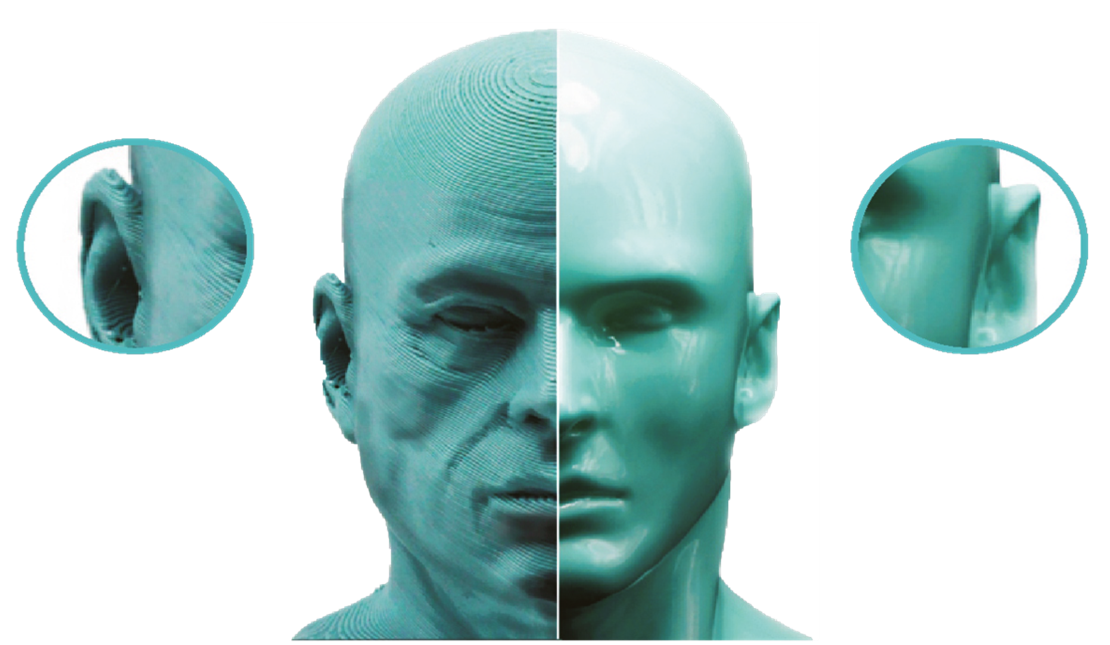
这项技术与其说涉及大量聚合物科学,不如说是将合适的材料与合适的溶剂完美结合。Polymaker 对丙酮浴能够为 ABS 打印带来平滑表面效果很感兴趣,但我们认为 ABS 太难打印,而且丙酮可能是一种危险化学品,使用起来并不安全。而且,也没有任何真正专门为使用这种溶剂来抛光 ABS 零件而设计的设备。
Polymaker 面临的第一个挑战是找到一种既易于打印、又能与一种容易获取且比丙酮更安全、危险性更低的溶剂发生反应的聚合物。
Polymaker 最终找到了 PVB 作为理想候选材料。从那时起,我们开始开发基于 PVB 的特定材料配方,并且 [PolySmooth™](/polymaker-wiki/polymaker-wiki-zh/polymaker-chan-pin/polymaker-filaments/specialty-filament/polysmooth-tm-pvb.md) 是这一研发的成果。
PolySmooth™可以使用与PLA相同的打印设置进行打印,然后可以用酒精进行平滑处理。
第二个挑战是设计一种能够安全、可靠地使用酒精对PolySmooth™模型进行抛光的设备。 [Polysher™](/polymaker-wiki/polymaker-wiki-zh/polymaker-chan-pin/accessories/polysher-tm.md) 是这项设备开发的成果。Polysher™的核心是雾化器、精心挑选的膜以及为找到雾化器合适频率而开发的特定算法。
### **Ash-Free™(低灰分技术):**
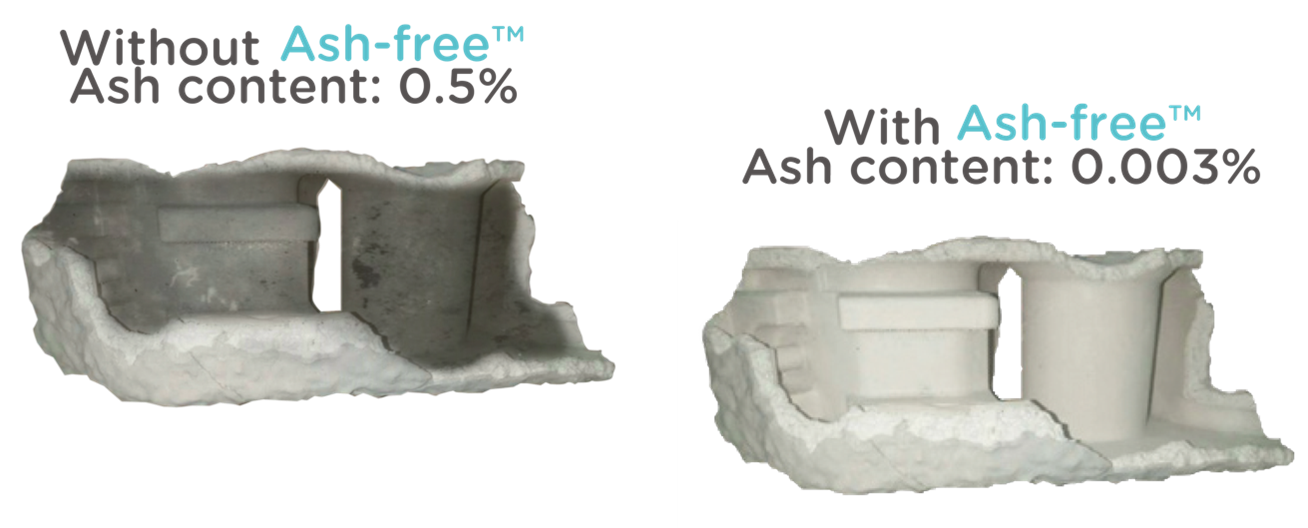
这项技术用于Polymaker [Polycast™](/polymaker-wiki/polymaker-wiki-zh/polymaker-chan-pin/polymaker-filaments/specialty-filament/polycast-tm-pvb.md)。它使用不同的、经过精心挑选的成分的特定组合来制成一种用于铸造的材料。这些成分经过仔细挑选,可在烧失时不留下任何残留物。
### **Fiber Adhesion™(纤维增强技术):**
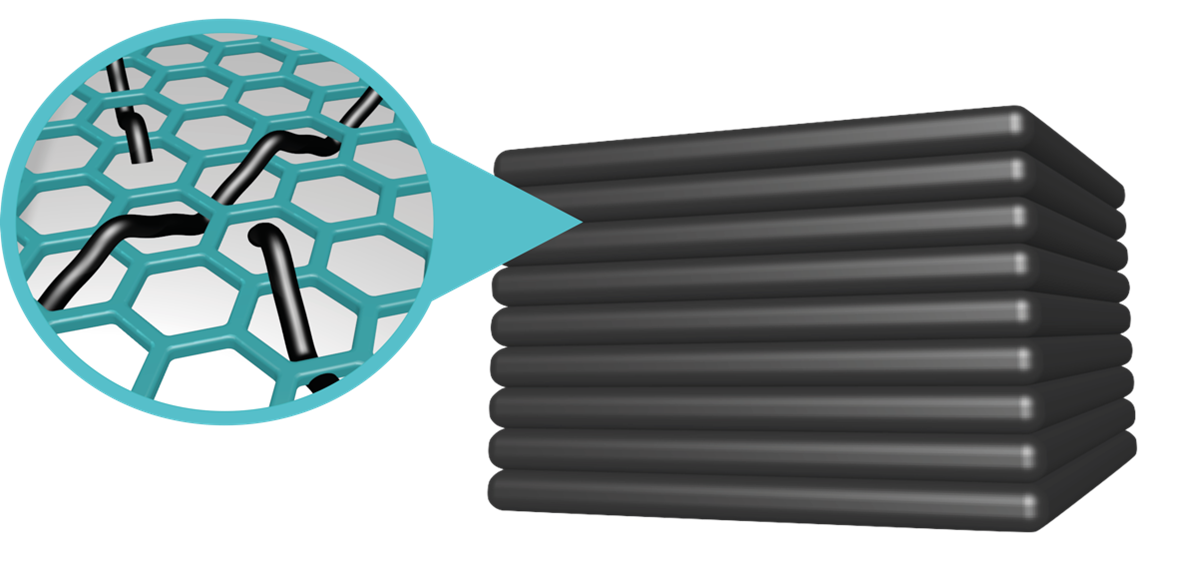
纤维增强材料具有出色的热性能和机械性能,但在基于挤出的 3D 打印中,它可能会对层间粘附产生负面影响。Polymaker 认为,层间粘附问题源于纤维与基体聚合物之间的结合/匹配不佳。
经过数月的开发,我们成功优化了纤维的表面化学性质,以实现更好的分散性以及与基体的结合。
在实施这项技术时 [Fiberon™工程级复合材料 PA6-CF](/polymaker-wiki/polymaker-wiki-zh/polymaker-chan-pin/polymaker-filaments/fiberon-tm/fiberon-tm-pa6-cf20.md) 和 [Fiberon™工程级复合材料 PA6-GF](/polymaker-wiki/polymaker-wiki-zh/polymaker-chan-pin/polymaker-filaments/fiberon-tm/fiberon-tm-pa6-gf25.md),层间粘附并未受到负面影响,实际上还更强了(CF +27%,GF +15%)。
### **Nano-reinforcement™ (纳米增强技术):**
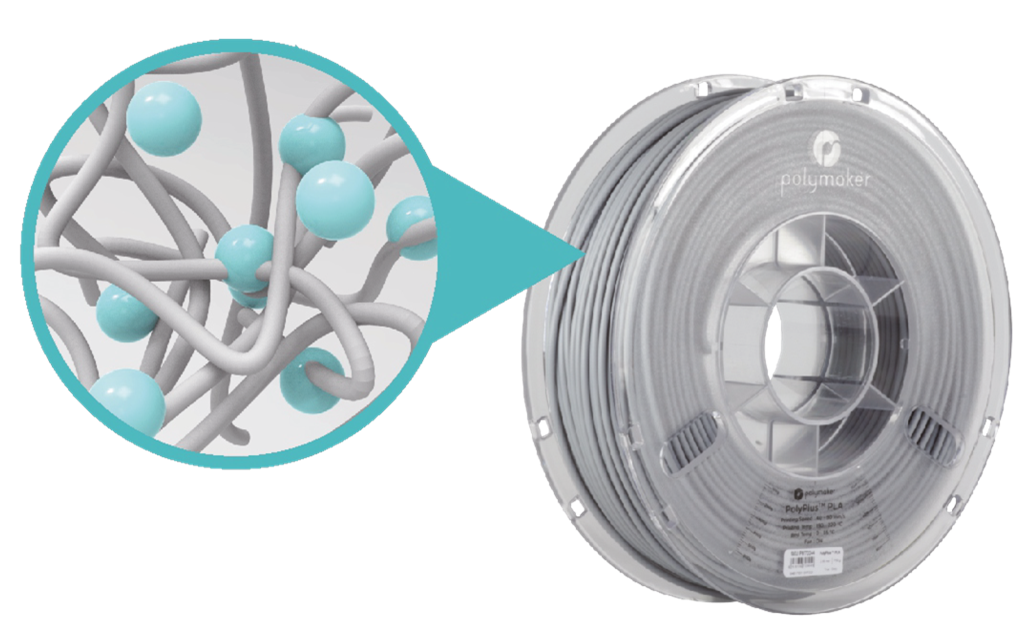
这项技术应用于 Polymaker 的 PolyMax™ 产品系列。它通过纳米颗粒增强聚合物,使其韧性大幅提升,同时仍能保持相似的打印条件。PolyMax™ PLA、PolyMax™ PETG 和 PolyMax™ PC 是 PolyMax™ 系列中的 3 款产品。它们都可使用与对应常规产品相同的打印参数:PolyLite™ PLA、PolyLite™ PETG 和 PolyLite™ PC;不过,它们的韧性最高可提升 5 倍,因此更加耐用。正如在 [材料科学](/polymaker-wiki/polymaker-wiki-zh/da-yin-ji-qiao/material-science.md) 在这一部分中,断裂韧性可以很好地用材料的抗冲击性来表示。
### **Stabilized Foaming™(稳定发泡技术):**
这是 Polymaker 最早开发的技术之一。在用含木粉的打印丝材时,我们曾多次遇到喷嘴堵塞等糟糕经历,因此我们开始思考:如何在不加入实际木粉的情况下,让丝材看起来像木材,因为丝材中的木粉可能会对打印过程产生负面影响。
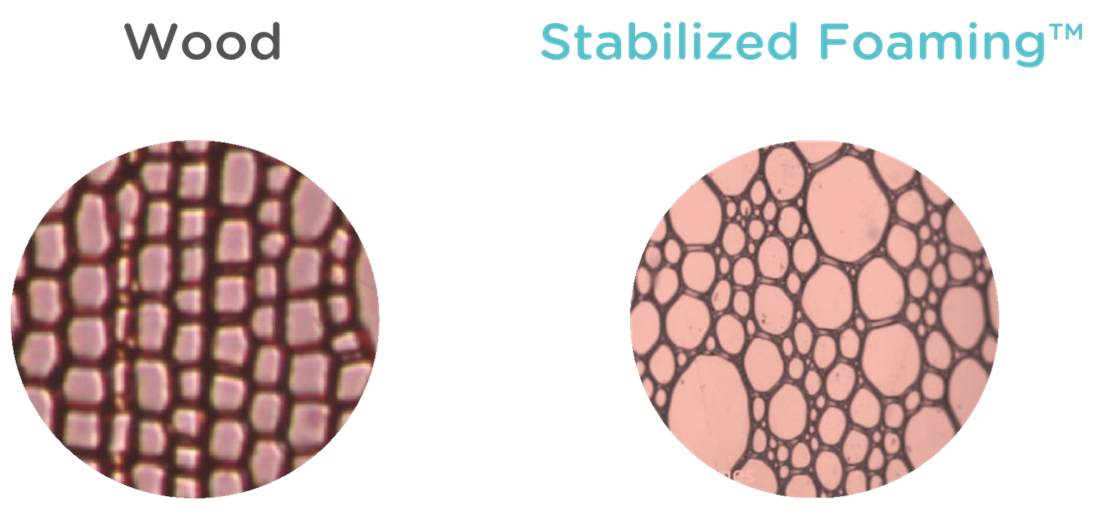
Polymaker 意识到,木材之所以呈现出这种外观,主要原因在于其植物细胞结构和颜色。复制某种木材的颜色很容易,而植物细胞结构则通过发泡剂来复制,从而形成类似的细胞网络。
主要挑战是设计并配方出一种泡沫结构,使其不会受到 3D 打印机挤出过程的负面影响,因此 “Stabilized Foaming” 中才有“stabilized”一词,意思是泡沫在打印过程后仍能保持稳定。我们最终基于这项技术开发出了 LW-PLA。
---
# Agent Instructions
This documentation is published with GitBook. GitBook is the documentation platform designed so that both humans and AI agents can read, navigate, and reason over technical content effectively. Learn more at gitbook.com.
## Querying This Documentation
If you need additional information that is not directly available in this page, you can query the documentation dynamically by asking a question.
Perform an HTTP GET request on the current page URL with the `ask` query parameter, and the optional `goal` query parameter:
```
GET https://wiki.polymaker.com/polymaker-wiki/polymaker-wiki-zh/polymaker-chan-pin/about-polymaker/polymakers-technologies.md?ask=&goal=
```
`ask` is the immediate question: it should be specific, self-contained, and written in natural language.
`goal` is optional and describes the broader end goal you are ultimately trying to accomplish on behalf of the user. GitBook uses it to tailor the answer towards what is most useful for that goal.
The response will contain a direct answer to the question and relevant excerpts and sources from the documentation.
Use this mechanism when the answer is not explicitly present in the current page, you need clarification or additional context, or you want to retrieve related documentation sections.